
Carbon removals | Uganda
Biochar Carbon Removal Credits
Durable carbon removals from the Ugandan Biochar Alliance - uganda's largest biochar producer, certified under Verra.
Removals that stay removed
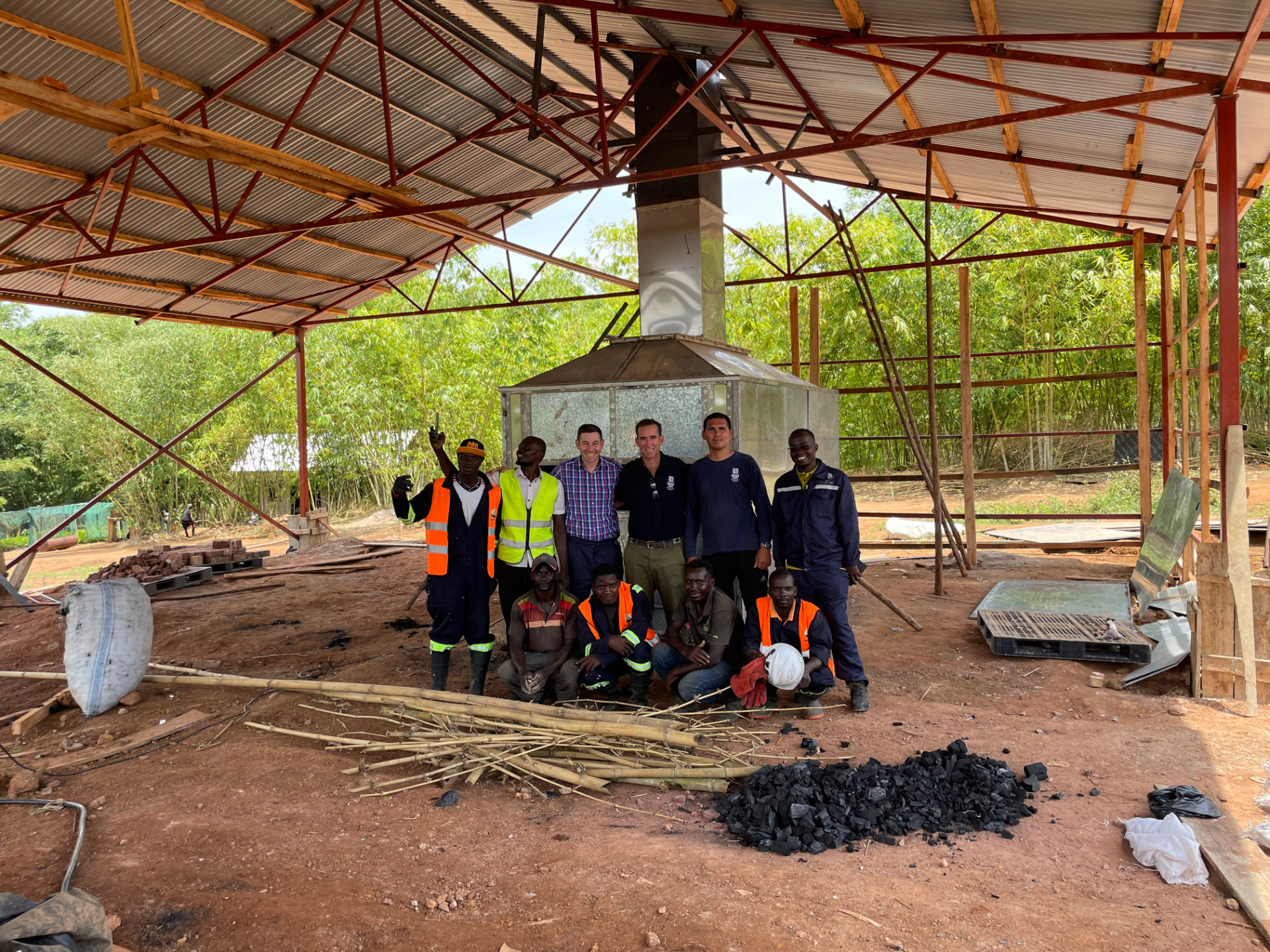
The Ugandan Biochar Alliance is currently the largest biochar producer in Uganda. Production started in October 2026 through strategic project partnerships with local agribusinesses. The initiative targets an initial 1,000 tCO₂ of removals and is designed to scale to 5,000 tCO₂ within three years.
Unlike many avoidance credits, biochar removals are physically measurable: carbon extracted from the atmosphere by plants is converted into a stable char and stored in soils. That durability is why biochar is one of the fastest-growing segments of the carbon removal market.
The model
How biochar removals work
Residues become feedstock
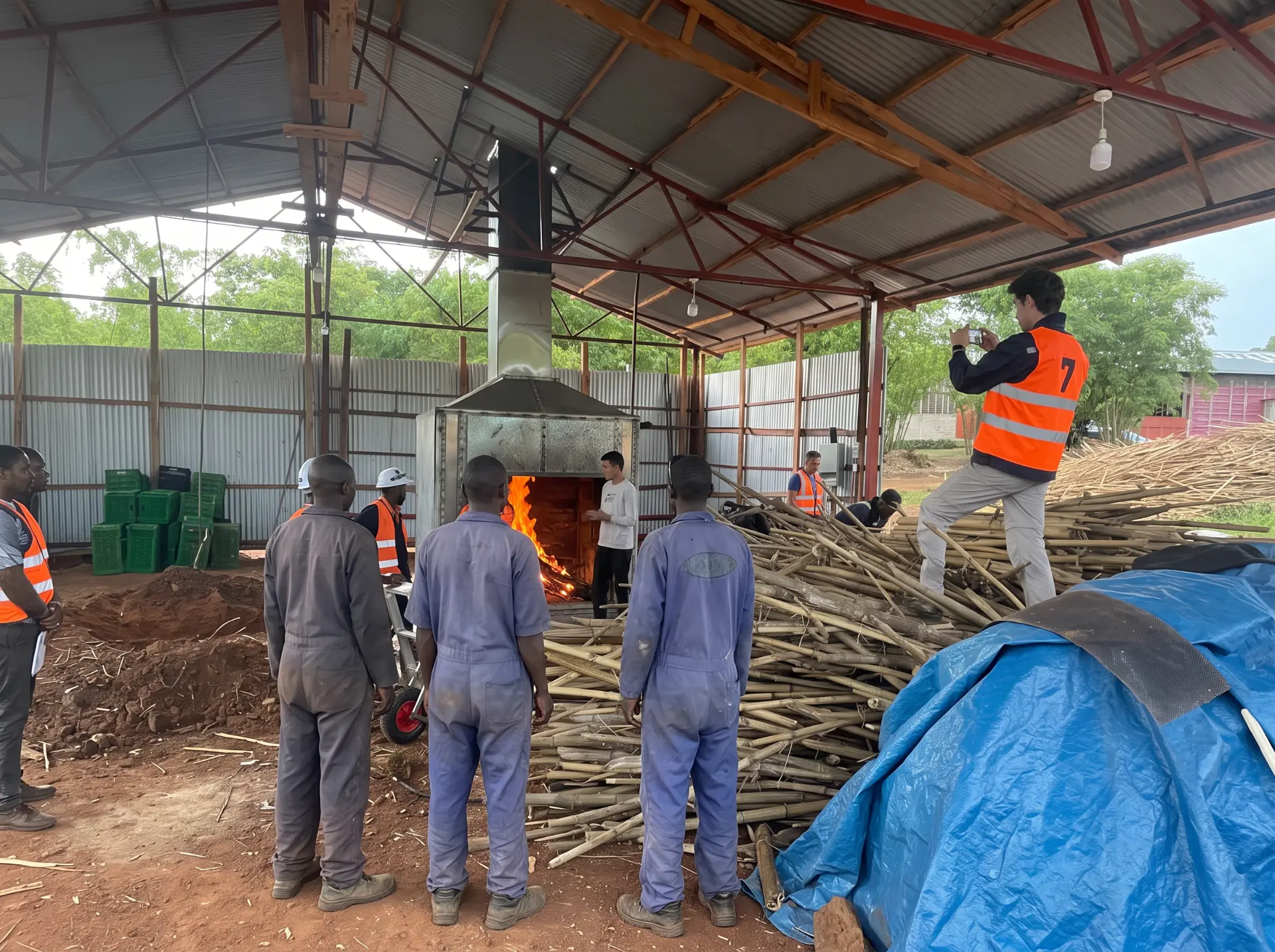
Agricultural residues - primarily bamboo, maize, sugarcane and tea - are collected from local agribusinesses instead of decaying or being burned.
Pyrolysis locks carbon away
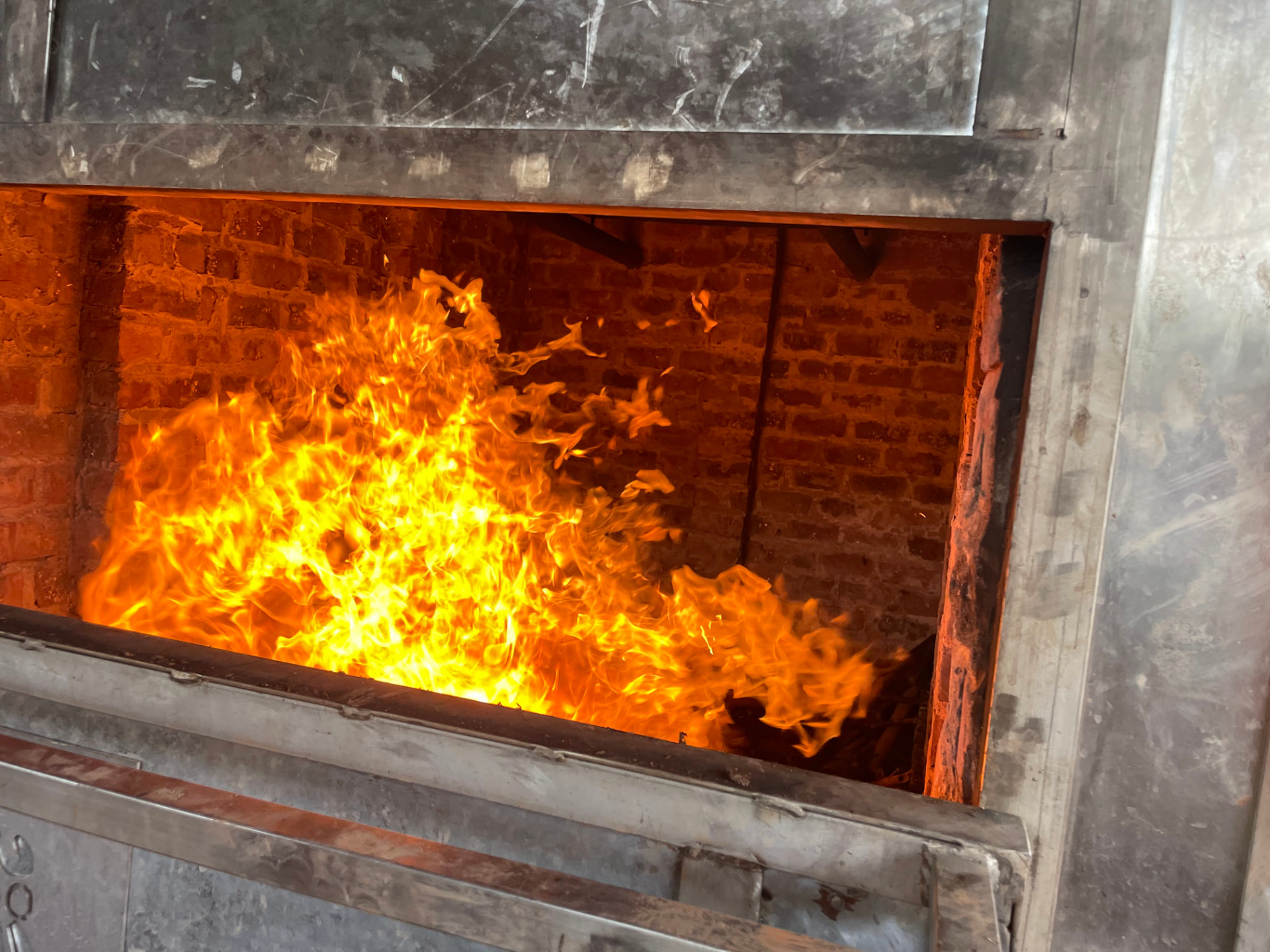
The residues are pyrolysed into biochar, a stable form of carbon that persists in soils for centuries rather than returning to the atmosphere.
Soils gain, farms earn
Applied to fields, the biochar improves soil fertility and water retention - and its sale as a soil amendment creates a second revenue stream alongside the credits.
Certified under Verra
Removals are certified under Verra, so every credit is third-party verified and traceable.
Credit availability
From first issuance to scale
- Status: Production started - October 2026 - the facility near Hoima is in production.
- Volume: an initial 1,000 tCO₂ of removals, scaling to 5,000 tCO₂ within three years.
- Certification: carbon removal certification under Verra.
- Participation: investments from €300,000 enable participation in the removals project.
Feedstocks
Local residues, local value
The alliance carbonises residues that Ugandan agriculture already produces in volume: bamboo, maize, sugarcane and tea. Sourcing from local agribusinesses keeps value in the region, creates rural jobs and avoids any competition with food production.
Every tonne of biochar sold as a soil amendment strengthens the same farming systems the residues came from - a circular model that makes the credits more than an offset.
Let's talk
Ready to make a measurable climate impact?
Whether you are an investor, a corporate buyer of carbon removals, or a partner in the field - we'd love to hear from you.
35+
years
experience